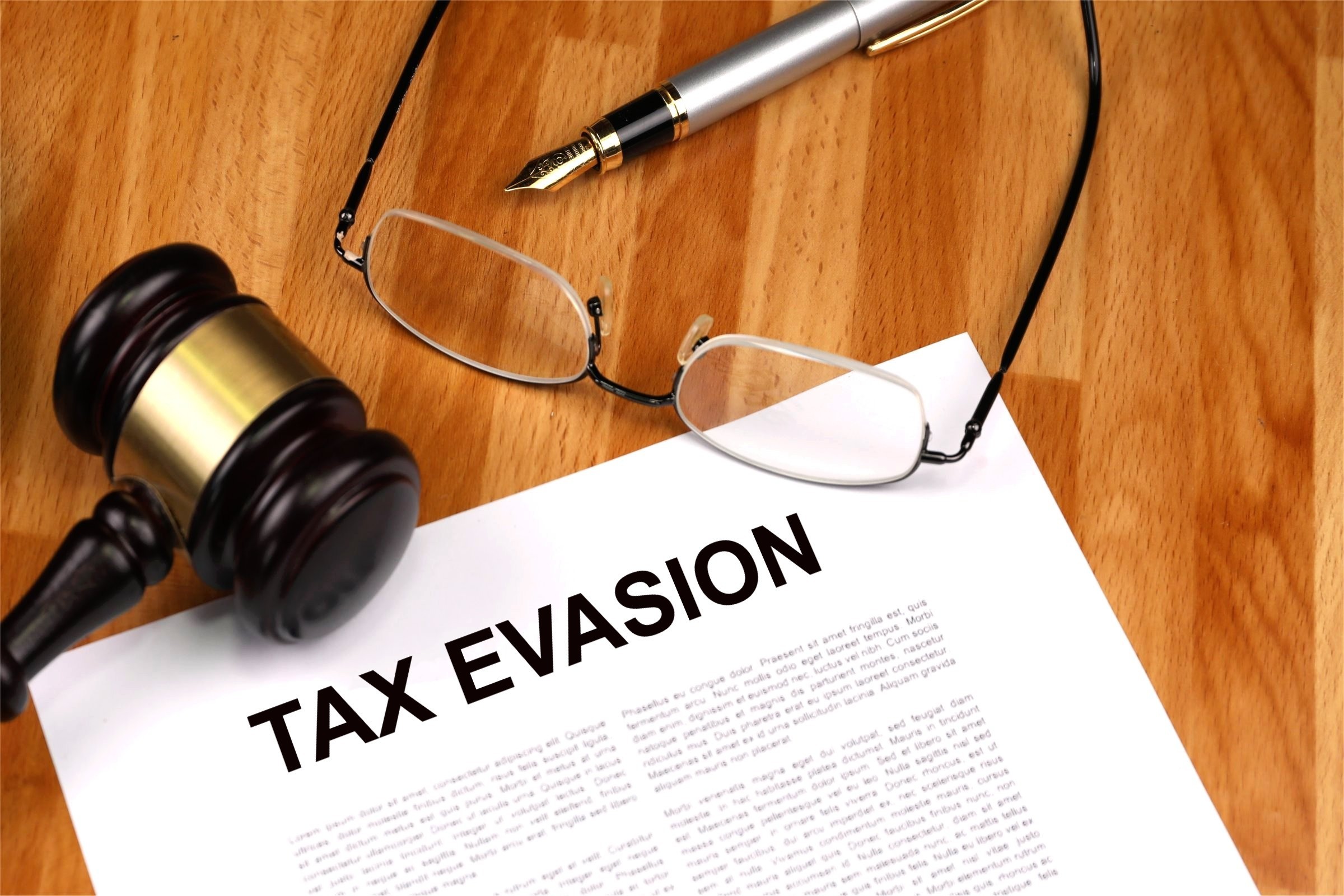
Tax Evasion
You hand over a chunk of your paycheck every time you get paid. That money goes toward roads, schools, and the fire station down the street. Nobody likes watching that number drop on their direct deposit. Most folks know it isn't fun to pay taxes. They also know there is a right way to handle it and a very wrong way. Tax evasion is that wrong way. It happens when someone intentionally hides money or lies about their income to keep more cash for themselves.
Think of your tax bill like a club membership fee. You pay it because the club runs the gym, keeps the lights on, and offers classes you actually use. Tax evasion is like sneaking into the building after hours and stealing equipment to sell later. You might think nobody will notice. You will be wrong. The government tracks your money through banks, employers, and digital payments. They see patterns. When those patterns do not match what you report on paper, red flags pop up fast.
People often mix this up with tax deductions or credits. Those are legal shortcuts built into the rules. Buying a home lets you write off mortgage interest. Donating to charity gives you a credit. Tax evasion skips the paperwork entirely. It involves cooking books, underreporting cash tips, or setting up shell companies to funnel money overseas. It isn't about following the rules creatively. It is about breaking them quietly.
The penalties are heavy. The IRS can charge you back every penny you owe. They add steep interest and fines that stack up quickly. You might also face prison time if the amounts are large enough. Regular folks get audited when their lifestyle suddenly outpaces their reported income. A guy claiming he makes forty thousand a year while buying a new truck every spring will get noticed. The system does not need magic to catch you because it just relies on steady math and plain common sense.
You don't need to be an accountant to stay on the right side of this. Keep clear records. Report your income honestly. Use the legal deductions that actually apply to your situation. The tax code is long and sometimes confusing, but it was written for people like you, not against you. Play by the rules and keep your money safe from avoidable trouble.
The authors of this web site are not professional advisors The content on this blog is not intended to be a substitute for professional advice. Always seek the advice of a qualified professional with any questions you may have regarding this topic. Never disregard professional advice or delay in seeking it because of something you have read on this site.