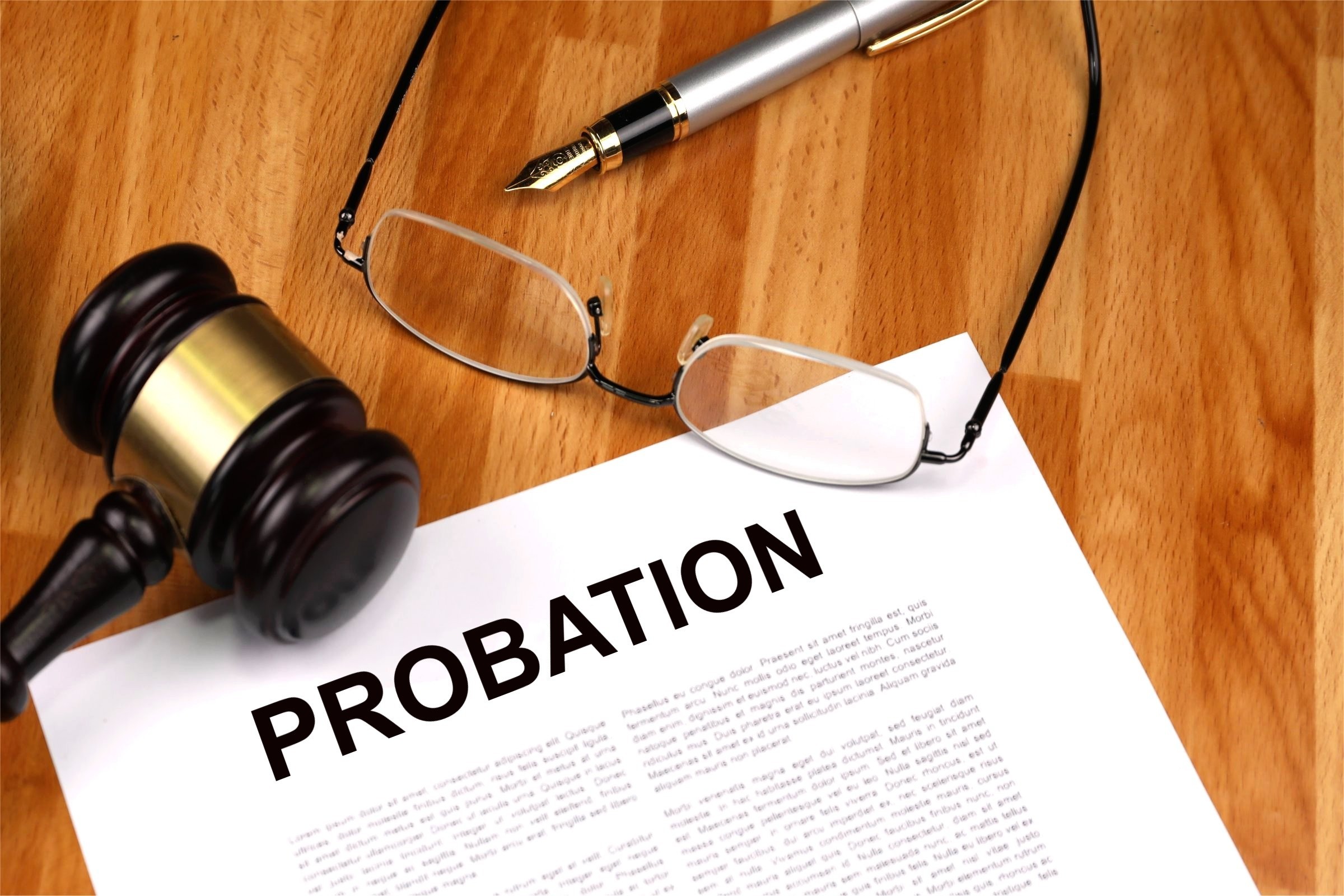
Probation
You ever get a trial period at a new job? They hand you an orientation packet, set clear expectations, and watch how you handle your first few weeks. Probation works a lot like that. Except instead of a manager checking your attendance, it is a judge deciding your next steps after a court case. Instead of a performance review, you face regular meetings with a probation officer. The goal stays the same. See if you can follow the rules without causing trouble. You are basically on thin ice until that period ends.
When someone gets probation, they avoid jail time for now. The court gives them a set period to prove they can live responsibly. That stretch usually lasts between six months and three years. You stay out of legal trouble during that time. You also follow a list of conditions that might include drug screenings, community service, or mandatory counseling. You pay court costs on schedule. Sometimes you must attend classes or stay away from certain people. The exact mix depends on your case and local laws.
Your probation officer acts as both supervisor and guide. They check your progress, review paperwork, and make sure you keep your job or finish school. You meet them regularly to report your status. They can run surprise drug tests or verify where you sleep each night. It sounds strict because it is. Probation is not a vacation from consequences. It is a structured second chance with real teeth.
Breaking the rules changes everything fast. Miss a meeting, test positive for drugs, or get arrested again and your officer files a violation report. A judge then holds a hearing to decide your next move. The judge can extend your probation, add more conditions, or send you straight to jail. There is no warning period. One mistake can undo months of good behavior. You can't afford to get sloppy now.
Courts use probation for practical reasons. Prisons fill up quickly and cost a fortune. Probation keeps minor offenders at home while keeping them accountable. It lets people keep working, pay support, and stay connected to family. The system hopes the structure will break bad habits before they turn into longer sentences. It works best when you actually want to change.
You can qualify for probation if you have a clean record and the judge thinks you will follow the rules. Some offenses never qualify. Probation usually applies to nonviolent crimes or minor property offenses. The decision always rests with the judge and your attorney can fight for it during sentencing.
Probation feels like walking a tightrope. One steady step keeps you safe. A sudden slip drops you back into the system. Stay focused, keep your paperwork straight, and show up on time. The path is simple even when the pressure feels heavy. You can make it work if you take it seriously from day one. Don't treat it like a free pass. Show up, follow the schedule, and stay out of trouble. We all make mistakes, but probation gives you a chance to prove you can do better. We'll see how you handle the pressure. It is a test of consistency, not perfection.
The authors of this web site are not professional advisors The content on this blog is not intended to be a substitute for professional advice. Always seek the advice of a qualified professional with any questions you may have regarding this topic. Never disregard professional advice or delay in seeking it because of something you have read on this site.