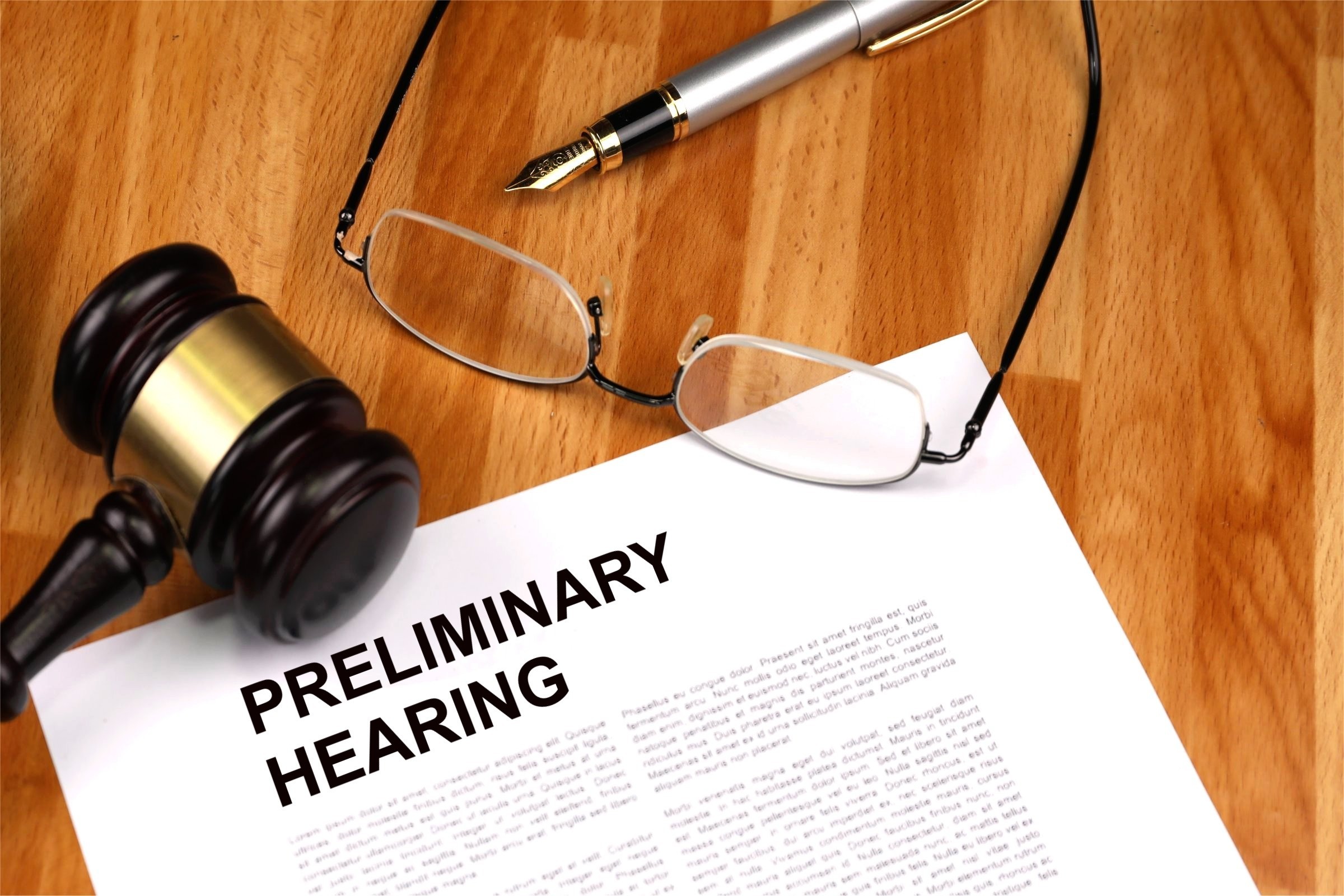
Preliminary Hearing
Imagine you get pulled over for something that quickly turns into a felony charge. The police book you. You walk out of the station with a court date on a slip of paper. That next stop is called a preliminary hearing. It sounds official and intimidating, but it really just exists to ask one simple question. Does the state have enough proof to move forward?
Think of it like a security checkpoint at an airport. You don't get to prove you are a good person here. You only need to show up while the prosecutor lays out what they claim happened. The judge sits in the middle like a referee watching a film review. The prosecution calls witnesses. They hand over police reports. They try to connect the dots for the court. Your lawyer listens closely and steps in when rules get broken. You can question those witnesses too. This is not a trial. You don't have to prove you did not do it. The burden stays firmly on the people bringing the charges.
Most people expect a hearing to look like a full courtroom drama with closing arguments and jury deliberations. It doesn't work that way. The judge only cares about probable cause. That legal phrase just means enough evidence exists for a reasonable person to believe you might be guilty. If the prosecutor stumbles or brings up hearsay without permission, the judge cuts it loose. Sometimes the whole case falls apart right then and there. Other times the judge decides to let it march forward. Either way, you get a free pass on testifying. Your lawyer handles the heavy lifting while you watch and take notes.
This stage changes how the rest of your case plays out. A weak hearing often forces prosecutors to drop charges or offer a much better deal. Strong evidence usually means trial prep begins in earnest. You'll hear what witnesses plan to say before you ever stand in front of a jury. That knowledge gives your team time to prepare defenses, track down counter witnesses, and figure out exactly what went wrong on the other side. It's a strategic pause built into the system to keep reckless prosecutions from wasting everyone's time and money.
If you ever face one, bring your phone charger and a notebook. The room moves faster than movies show it. Pay attention to how witnesses answer questions. Notice when the prosecutor hesitates or repeats the same point three times. Your attorney will explain what the judge's ruling means for your next steps. You don't need to understand every legal term in the room. Just know that this moment exists to keep power in check and make sure only solid cases reach a jury box.
The authors of this web site are not professional advisors The content on this blog is not intended to be a substitute for professional advice. Always seek the advice of a qualified professional with any questions you may have regarding this topic. Never disregard professional advice or delay in seeking it because of something you have read on this site.