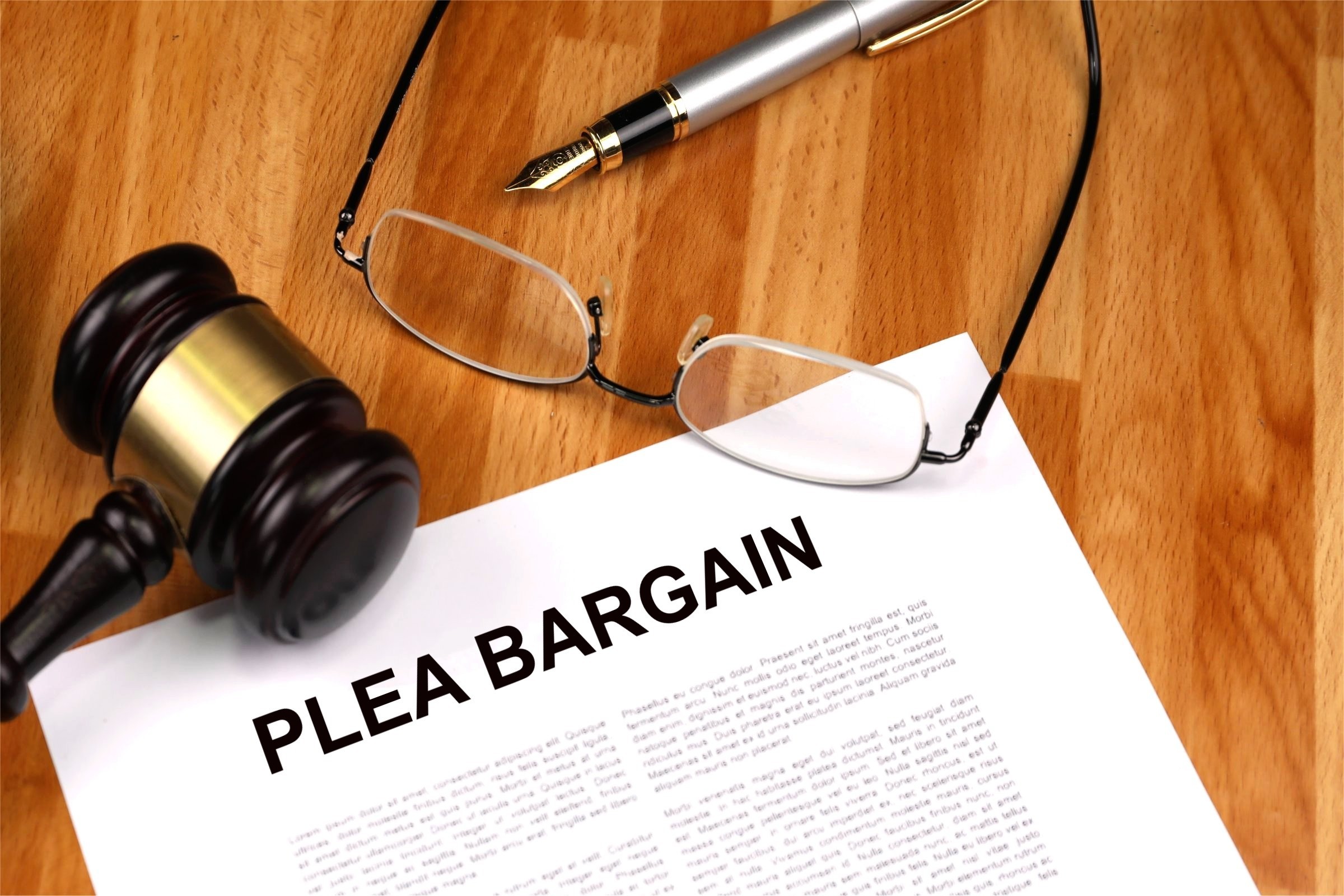
Plea Bargain
Imagine walking into a crowded grocery store on a Saturday afternoon. You have two choices. You can wait in line until your legs ache and your coffee goes cold. Or you can slip into the express lane with just a few items and walk out in ten minutes. The courts work much the same way. When someone faces criminal charges, they stand at a crossroads. They can go to trial and fight every step of the way. Or they can take a plea bargain.
A plea bargain is simply a deal struck between the person accused of a crime and the government lawyer handling the case. The prosecutor offers a lighter sentence or drops some charges. The defendant agrees to plead guilty instead of risking a full trial. It happens behind closed doors long before anyone steps into a courtroom. Most cases never make it to a judge. They get settled at a table with coffee cups and legal pads.
You might think this only happens in movies. It actually runs the entire system behind the scenes. Courts are drowning in paperwork every single year. Millions of cases roll off the assembly line. If every single one went to trial, the whole machine would grind to a halt. Judges would need centuries to keep up. Lawyers would burn out before lunch. Prosecutors simply don't have the staff or the budget to fight every battle in front of a jury. The plea bargain keeps things moving. It is the administrative duct tape that holds everything together.
The process usually starts with a phone call or a quick meeting between attorneys. They hash out numbers and terms. Maybe the defendant faces ten years for robbery but gets offered two years for theft. The defendant weighs the options carefully. Going to trial means betting everything on a jury you can't control. A judge might hand down a harsh sentence if things go wrong. Accepting the deal guarantees a known outcome. The judge still has to sign off on it, but they rarely rewrite the deal. They usually just ask if everyone understands what they are doing and then stamp the paperwork.
You have to wonder why anyone would ever plead guilty when they did not do it. That is a fair question. Some people take the deal because trial insurance is too expensive. Others worry about public pressure or family stability. The system counts on the threat of heavy trial penalties to push people toward the table. Critics point out that this pressure can feel like a trap. Supporters argue it prevents gridlock and saves taxpayer money. Both sides have valid points.
Understanding how plea bargaining works matters because it shapes who walks free and who walks behind bars. It is not about finding perfect truth in every case. It is about managing a massive system that simply cannot handle every dispute the hard way. You'll never see a trial on your local news most days. That is exactly why these quiet deals exist. They keep the wheels turning while the public focuses on the rare battles that actually make the headlines.
The authors of this web site are not professional advisors The content on this blog is not intended to be a substitute for professional advice. Always seek the advice of a qualified professional with any questions you may have regarding this topic. Never disregard professional advice or delay in seeking it because of something you have read on this site.