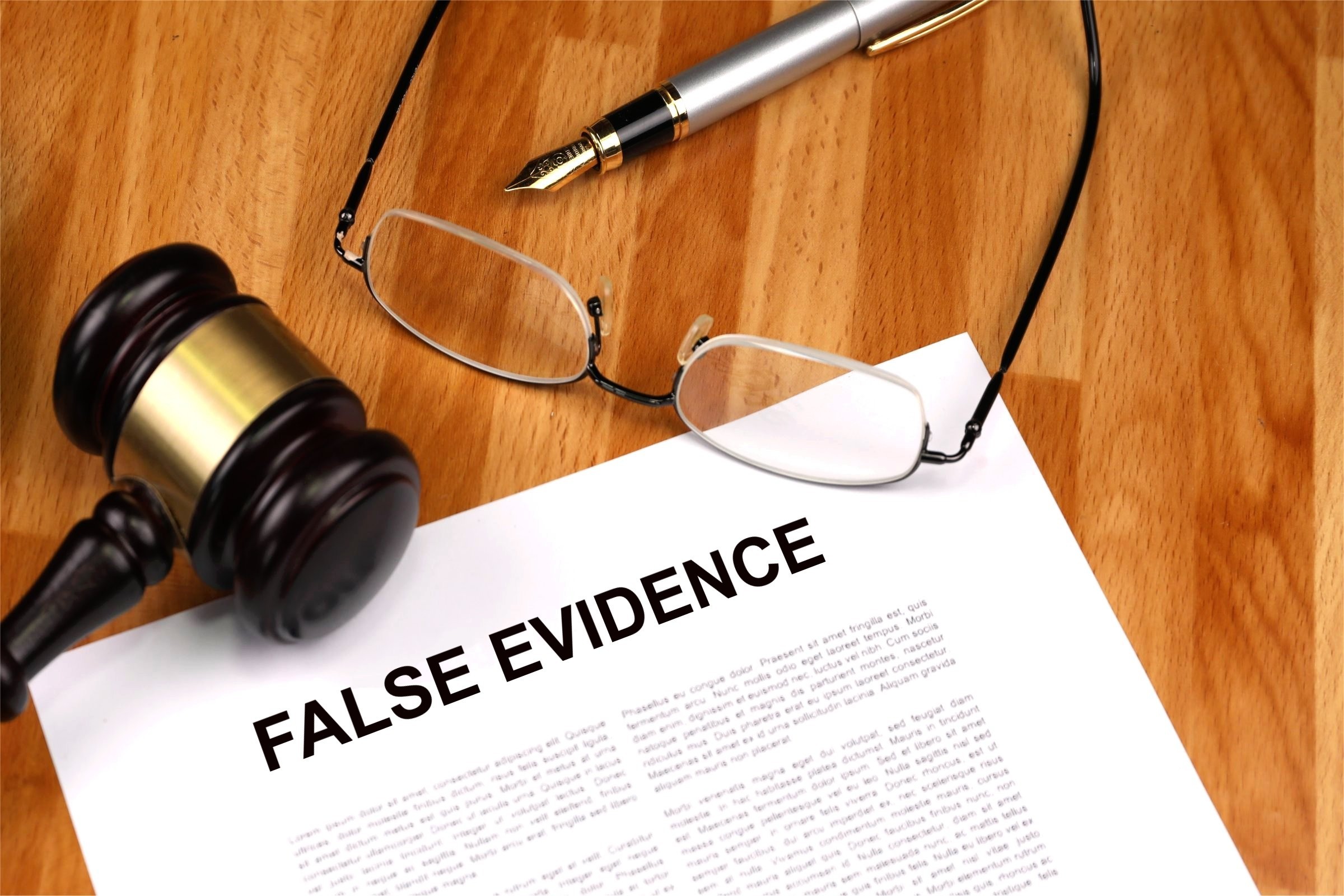
False Evidence
You have probably seen it without realizing it. False evidence is just a term for something that looks like proof but actually points nowhere. Think of a movie prop wallet that passes on camera. It sits there looking convincing until someone picks it up and notices the stitching is glued shut. That is exactly how this concept works outside fiction. It mimics truth until you look closer.
People stumble into it constantly. You might get an email that seems to come from your bank with perfect logos and urgent language. Your brain hands you a quick yes before your eyes finish scanning the sender address. False evidence feeds on speed and trust. It wants you to nod before you think.
Institutions deal with this problem daily. Investigators collect fingerprints, documents, and witness statements to build a picture of events. Sometimes that picture gets twisted. A lab report could contain a typo that flips a result from clean to contaminated. A witness might swear they saw something because they heard someone else describe it later. The clue looks solid on the surface. It crumbles under scrutiny. Legal teams have entire departments built around checking whether proof actually holds water or just shines under studio lights. Researchers run experiments and track data points to find patterns. False evidence shows up when a measurement tool drifts or someone accidentally only records results that match their guess. The graph still looks smooth. The trend line still points where you want it to point. The conclusion feels earned until another team repeats the work and gets a completely different map.
You run into this outside labs and courtrooms too. Your feed suggests an article that matches exactly what you already believe. False evidence loves to wear your own opinions like a uniform. It steps up when you are tired and whispers that this particular piece of proof is enough to settle the argument. Spotting it takes a slow pause. Ask where the item came from. Check who created it and why. Follow the chain of custody like you would trace a phone call back to its source. You can use that same trick for documents or digital files. Look for timestamps and independent corroboration. One solid source rarely makes a case. Three unrelated sources that agree usually do.
False evidence does not always come with bad intentions. Sometimes it is just a mistake that gained momentum. A forwarded message loses a line in translation and suddenly claims something outrageous. The rumor spreads because it fits a pattern you already notice. It stops being proof the moment you realize it never started as one.
You do not need to become a detective to handle this. Just keep your expectations grounded and your curiosity active. Proof should stand up when you turn it over in your hands. If it only looks right from one angle, treat it like a stage prop and walk past it. The truth does not need to pretend. It just needs room to breathe.
The authors of this web site are not professional advisors The content on this blog is not intended to be a substitute for professional advice. Always seek the advice of a qualified professional with any questions you may have regarding this topic. Never disregard professional advice or delay in seeking it because of something you have read on this site.