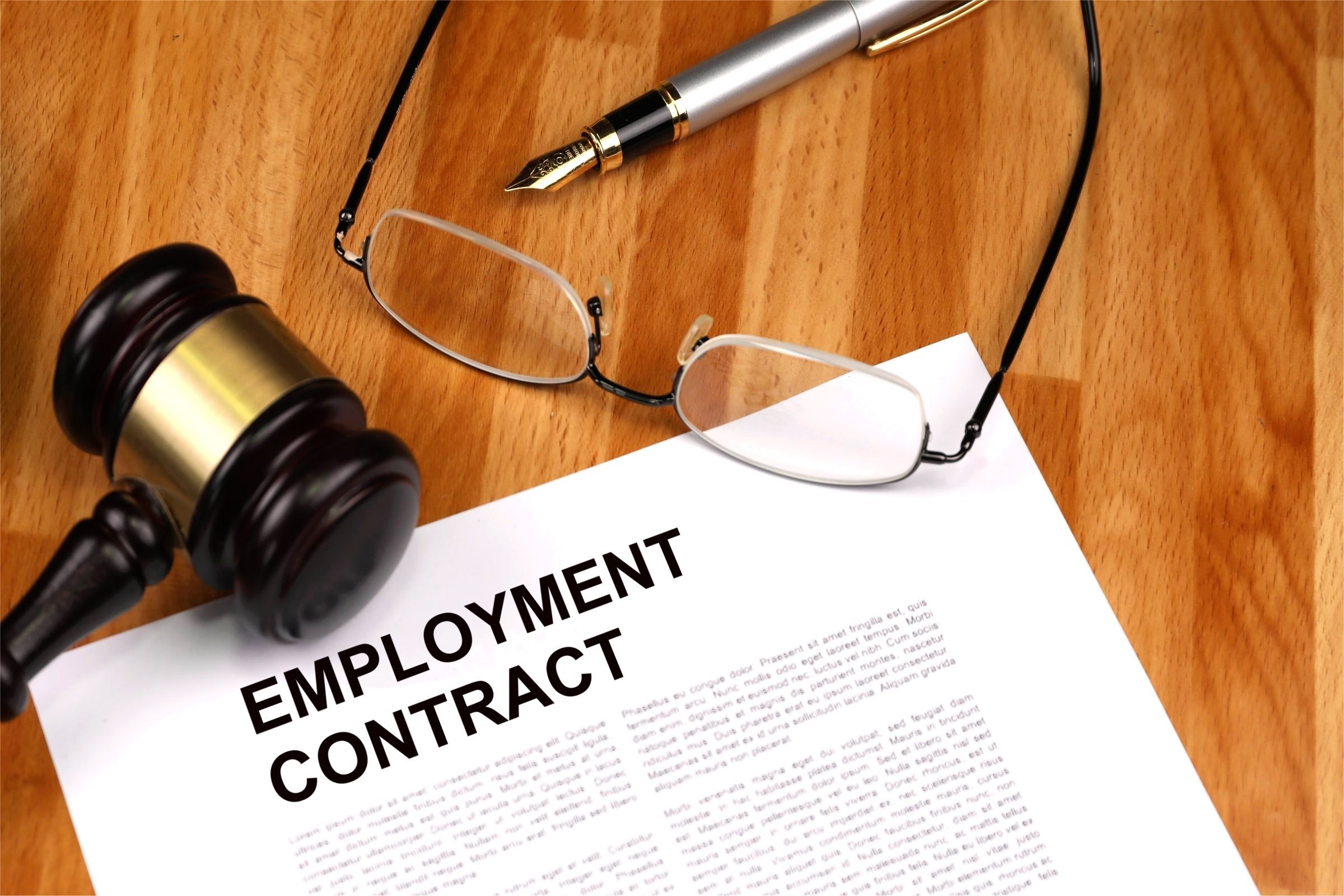
Employment Contract
You just got the job offer. The excitement hits. You picture the desk, the team, the first paycheck. Then HR emails you a document titled Employment Contract. It looks like legal text from another century. You might skim it. Don't do that. That paper is your roadmap for the next few years at that company. Treat it like one.
Think of an employment contract as a rulebook for a game you just joined. It tells you exactly what you will do, how much you will get paid, when you will show up, and what happens if someone wants out. Companies use these agreements to keep things clear. You use them to protect yourself. Both sides win when the rules are written down instead of guessed at later.
The document usually starts with your job title and a short list of duties. This part matters more than it looks. It sets the boundaries of your daily work. If your boss suddenly asks you to manage inventory without extra pay, you point to that section. Next comes compensation. Your base salary or hourly rate sits right there. Most contracts mention bonuses too. Check pay frequency and vacation rules.
Schedule and location come next. Will you work from home three days a week? Does the office expect you in by nine sharp? Those details stop guesswork during your first month. Benefits follow closely behind. Health insurance, retirement plans, paid time off. The contract spells out eligibility windows and contribution amounts. Read those numbers carefully. A small difference in retirement matching adds up fast over decades.
Termination clauses often scare people. They should not. This section simply explains how the relationship ends. You pack your desk and head to a better opportunity. The company downsizes. The contract outlines notice periods, severance terms, and what happens to your personal files. It also covers confidentiality and non-compete rules. Many employers require you to stay away from direct competitors after you leave. Others keep those requests vague. Clarity saves headaches later.
You don't need a law degree to understand this document. Print it out. Read it at your kitchen table with a highlighter. Circle anything that feels fuzzy. Ask your future manager to explain it in plain terms. Good companies welcome questions before you sign.
Keep a signed copy in your personal files alongside your tax returns and insurance papers. Life moves fast. You'll forget exact start dates and bonus thresholds by month six. The contract stays put. It becomes your reference point when disputes arise or when you negotiate a raise next year.
Signing something feels like a formality until you actually need it. Treat it like a promise written down instead of a hurdle to clear. Read it carefully. Ask questions. Keep your copy safe. Everything runs smoother because you took ten minutes to understand the fine print.
The authors of this web site are not professional advisors The content on this blog is not intended to be a substitute for professional advice. Always seek the advice of a qualified professional with any questions you may have regarding this topic. Never disregard professional advice or delay in seeking it because of something you have read on this site.