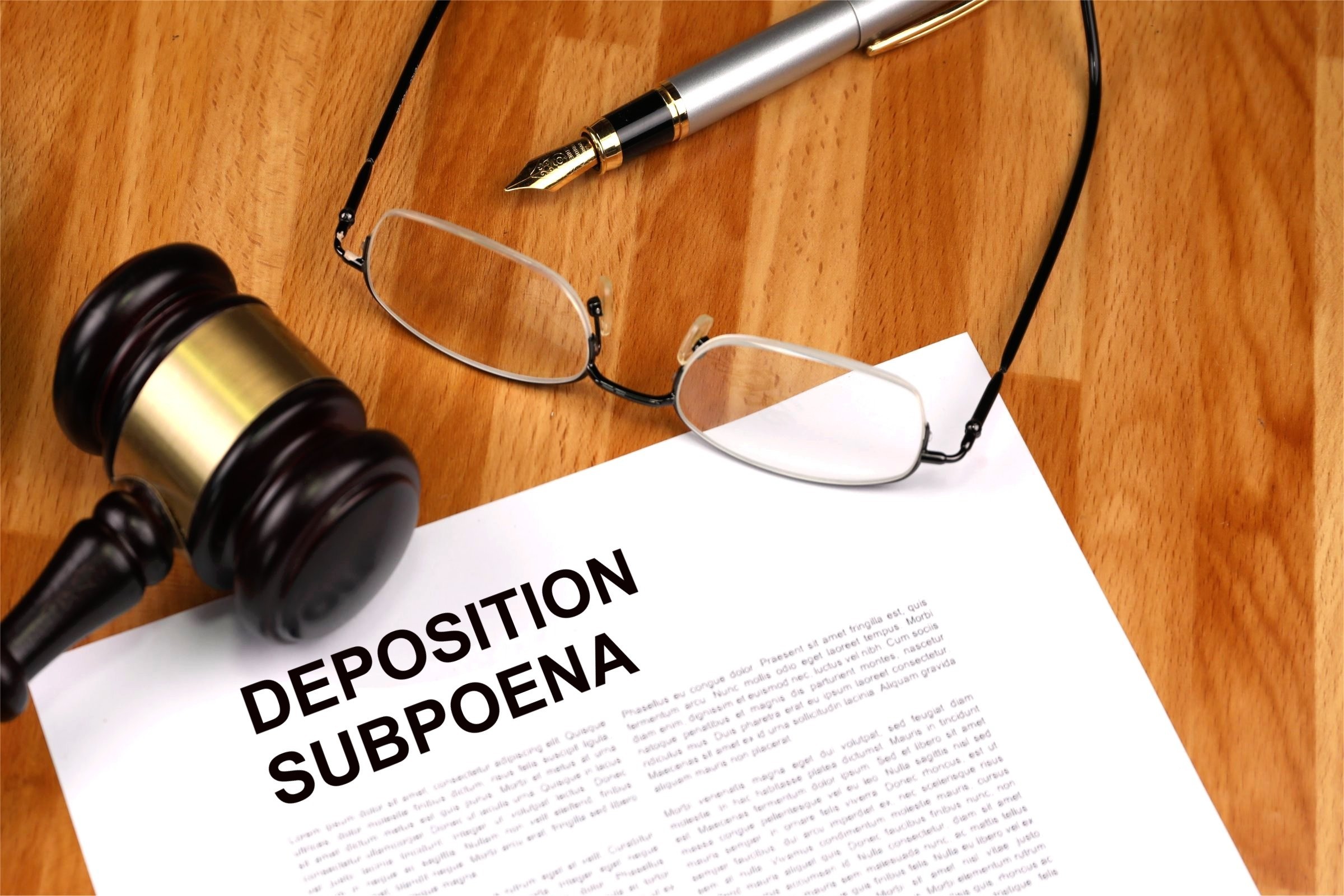
Deposition Subpoena
You get a piece of paper in the mail that looks official but makes your stomach drop. The words deposition subpoena stare back at you. Don't panic. This is just a legal formality, and understanding it takes away most of the fear. A deposition subpoena combines two everyday legal concepts into one strict request. A deposition is simply an interview under oath that happens outside a courtroom. Think of it as a formal question and answer session where a lawyer asks you questions while a court reporter types every word. The subpoena is the official order that forces you to show up. Lawyers issue these documents, not judges. They use them when they need your story or specific records to build their case for a civil lawsuit.
Regular phone calls do not work here. The law requires this specific paper. A subpoena carries the full weight of the court system. Ignoring it turns a simple request into a serious problem. You could face fines or even be held in contempt of court. That means a judge can order you to comply or punish you for refusing. The system expects cooperation because truth matters when money or property is on the line.
There are two main flavors of this document. One type orders you to appear and answer questions. The other demands you hand over files, emails, or physical objects before you ever step into a room. Sometimes lawyers send both at the same time. They will usually give you plenty of notice, but the deadline is still a hard line. You cannot stretch it because you were busy or confused.
What happens when you actually show up? You sit in a conference room. A court reporter sits nearby with a machine that records everything. The opposing lawyer asks questions. You answer under oath. Lying changes nothing about the meeting but causes massive trouble later. You face perjury charges or dismissed claims. Bring exactly what the paper asks for. If you do not have certain documents, tell the lawyer early so they can adjust their plans.
Many people worry about speaking too much or accidentally hurting their own case. You do not need a law degree to navigate this. Answer only what gets asked. Keep your replies clear and direct. Don't guess when you lack an answer. Say that out loud. It is perfectly fine to pause and collect your thoughts before responding. The goal is accuracy, not performance.
If the request feels unfair or impossible to fulfill, contact an attorney immediately. They can negotiate the terms, challenge the scope, or file a motion to quash the request. Lawyers fight over these papers all the time. It is a normal part of the process. You are not alone in dealing with it. Just read the document carefully, mark your calendar, gather what you can, and show up ready to tell the truth. The law rewards clarity and punishes silence.
The authors of this web site are not professional advisors The content on this blog is not intended to be a substitute for professional advice. Always seek the advice of a qualified professional with any questions you may have regarding this topic. Never disregard professional advice or delay in seeking it because of something you have read on this site.