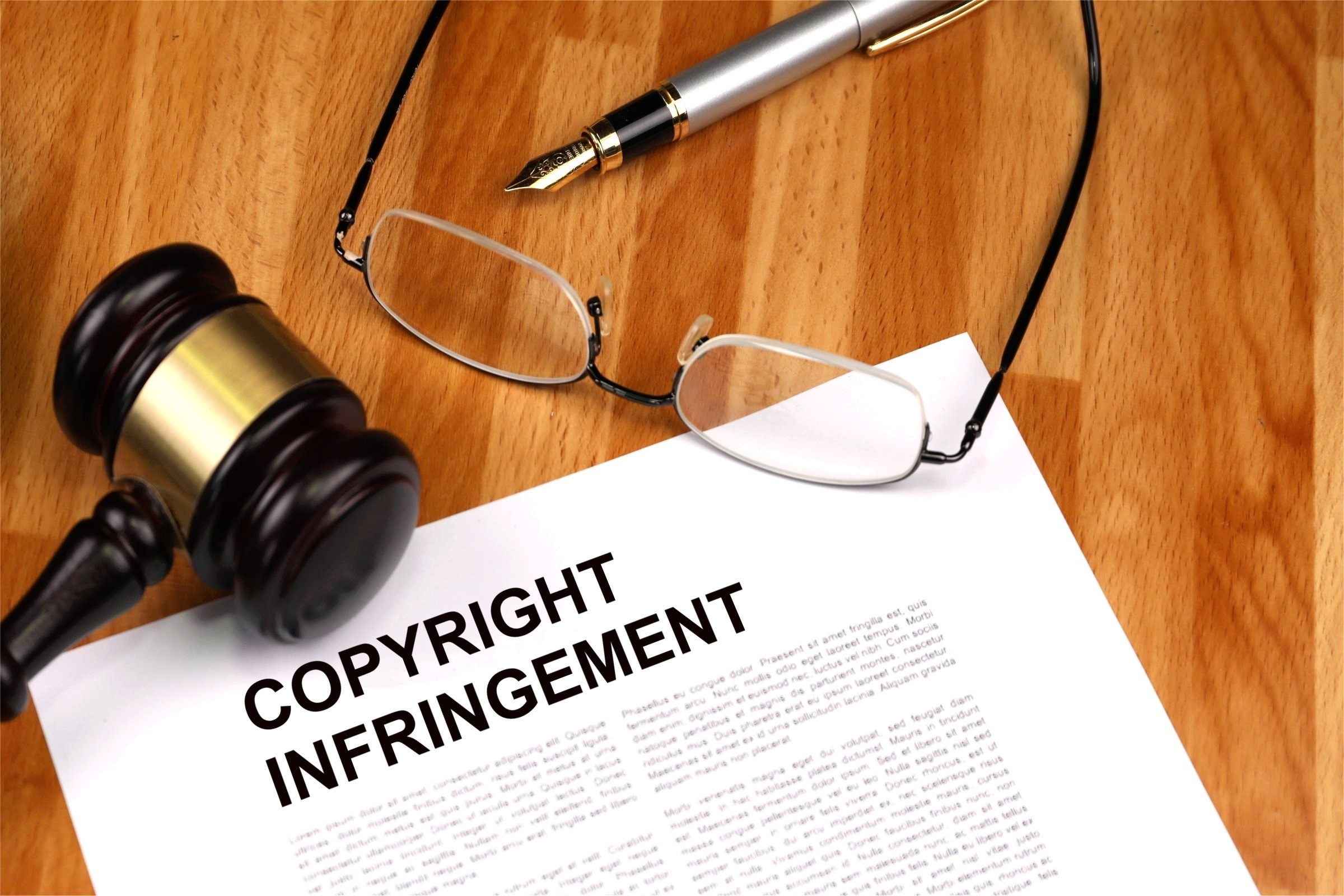
Copyright Infringement
You know that feeling when you borrow your neighbor's power drill and forget to put it back? That is not the same thing as copyright infringement. Copyright infringement happens when you use someone else's creative work without asking for permission, and the law says you should have. It covers songs on streaming apps, photos on stock websites, and articles you read online. Even app code belongs to someone until that changes on paper.
Think of copyright like a fence around a garden. The creator plants the seeds and builds the gate. You can walk around the outside and appreciate the flowers. You can't walk through the gate, pick the blooms, and claim you grew them yourself. That's where infringement starts. It's not about how much you use. It's about whether you have a key to get inside first.
There are rules that allow limited use without asking first. Lawmakers call this fair use. It covers things like teaching a class, writing a critique, or reporting news. You cannot just twist those rules to suit your needs though. Courts look at why you used the work, how much you took, and whether your version replaces the original in the market. Copying an entire textbook chapter to sell online is not fair use. It is a direct violation.
The consequences show up quickly these days. Automated systems scan websites and social feeds for matching files. A copyright holder can issue a notice that removes your content instantly. Repeat offenders face fines that stack up to hundreds of thousands of dollars. Businesses get sued when they download an image from a search engine and slap it on their website banner. The damage is real and the legal bills are heavy.
You can stay clear of trouble by following a simple path. Always ask for permission first. Use platforms that offer free commercial licenses. Credit the creator even when credit is not legally required, because respect matters more than legal minimums. Keep a folder of receipts and written approvals for every piece of media you use. It saves you from panic when a client asks where a photo came from.
Creativity fuels our daily lives. Music, books, films, and designs shape how we think and feel. Respecting the lines that protect that work keeps the whole system running smoothly. You don't need a law degree to play by the rules. Just ask before you use, keep your records straight, and let creators earn from what they make. The rest follows naturally.
The authors of this web site are not professional advisors The content on this blog is not intended to be a substitute for professional advice. Always seek the advice of a qualified professional with any questions you may have regarding this topic. Never disregard professional advice or delay in seeking it because of something you have read on this site.