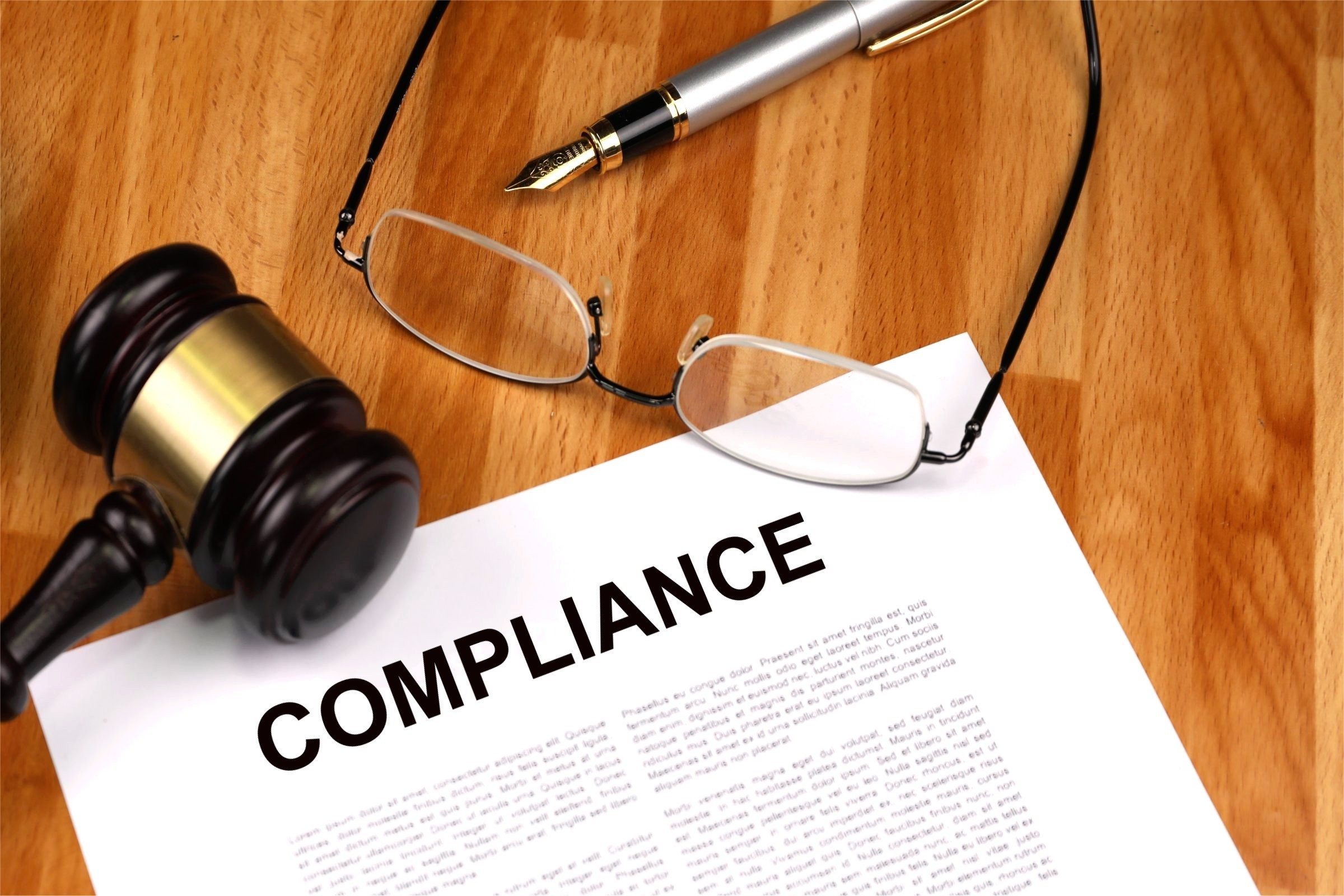
Compliance
You ever stop at a red light when no cars are around? You do it anyway. Not because someone is watching you. Because you know the rule exists for a reason. That simple habit is the heartbeat of compliance. It is just a plain way of saying follow the rules that keep things running smoothly.
Think about buying a house. The inspector checks the wiring, the foundation, and the roof. Those checks follow strict guidelines. Someone wrote those guidelines after years of learning what goes wrong when people cut corners. Compliance works the same way in every part of life. It is the quiet system that tells businesses, workers, and everyday folks how to act without guessing. You see it in construction sites where helmets save lives. You see it in kitchens where temperature logs prevent outbreaks.
People often picture compliance as stacks of paperwork and stern meetings. That image comes from places where money or safety is on the line. A hospital follows strict protocols so patients get the right medicine. A food truck checks temperatures daily so nobody gets sick. The rules change depending on the job, but the goal stays the same. Protect people. Keep things fair. Stop preventable mistakes before they happen. It is simply a way to make sure everyone plays by the same map.
You might wonder why we need so many rules. Life would be faster without them. Faster, sure. But also messier. Imagine driving on a road where everyone picks their own speed limit and decides when to stop. Chaos follows quickly. Rules give us a shared language. They tell us what is expected so we can focus on doing our work instead of worrying about the fine print.
The word sounds stiff, but the practice is actually pretty practical. Companies hire people to keep track of the rules because staying up to date takes time. Laws change. New safety standards pop up. Tech evolves. Someone has to watch the horizon and update the playbook. That person reads updates, trains the team, and sets up checklists. It sounds dry until you realize it stops a company from losing its license or a neighborhood from flooding after a storm.
You don't need to memorize every rule to respect compliance. Just understand that it exists to keep us from repeating old mistakes. When you sign a rental agreement, follow workplace safety signs, or even read the instructions on a new appliance, you're already living compliance. It isn't about control. It is about trust. We agree to follow the same lines so everyone gets home safe and the system keeps working for the next person.
Next time you see a sign that says read carefully or follow posted guidelines, take a second to appreciate the quiet work behind it. Rules are just lessons written down so we don't have to learn them the hard way. Compliance is the habit of listening to those lessons before they become problems.
The authors of this web site are not professional advisors The content on this blog is not intended to be a substitute for professional advice. Always seek the advice of a qualified professional with any questions you may have regarding this topic. Never disregard professional advice or delay in seeking it because of something you have read on this site.