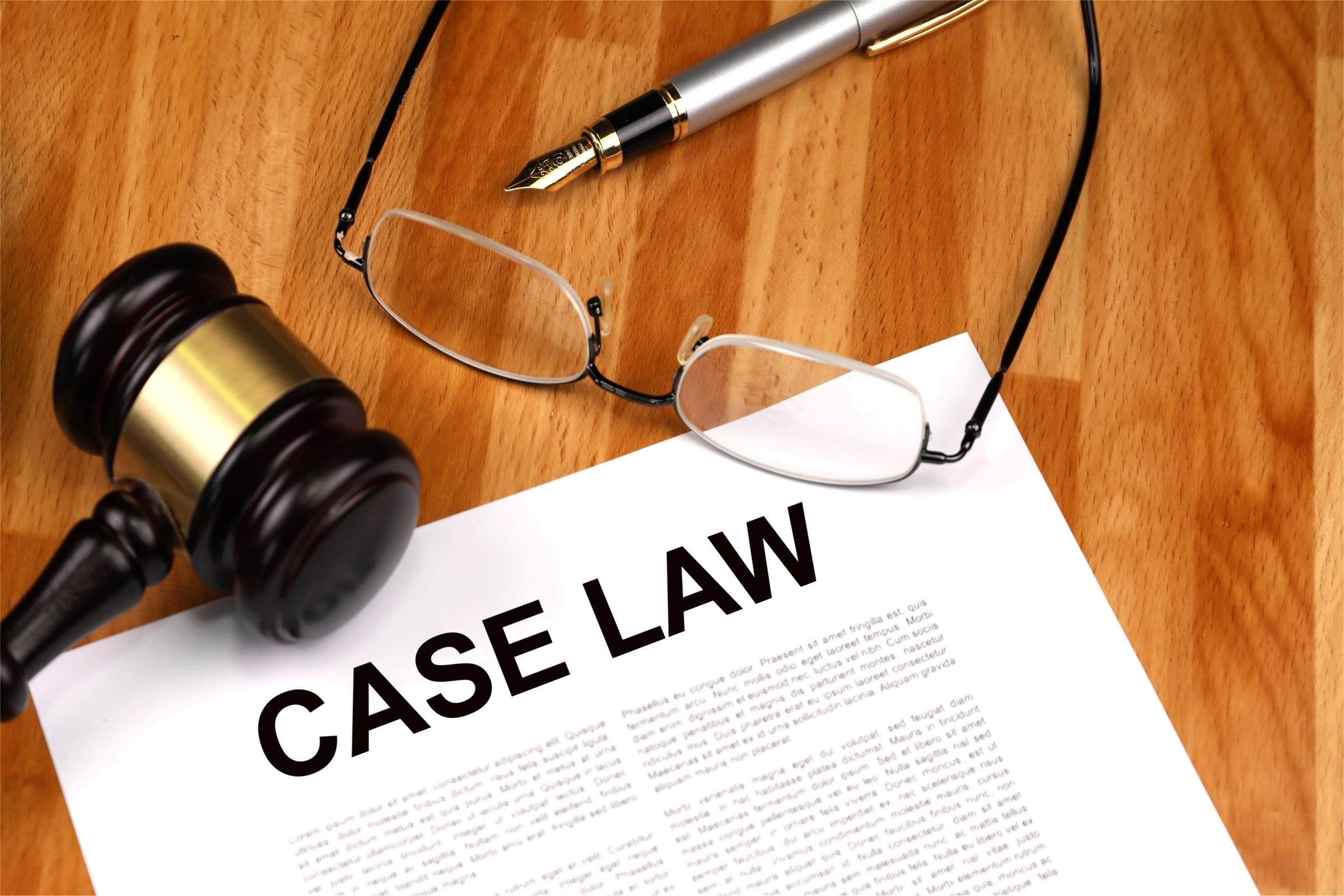
Case Law
You have probably heard judges make big announcements from the bench. Most people picture them reading from a thick book of rules. That book exists. It is called statutory law. Legislatures write it. Presidents sign it into place. But laws don't cover every single situation that pops up in real life. Judges have to figure things out when the rulebook falls short. That is where case law steps in.
Case law is simply the collection of past court decisions that later judges use as a guide. Think of it like neighbors figuring out how to share a driveway. The first time someone parks too close to the gate, they argue it out. They shake on a compromise. Years later, when a new neighbor shows up, they don't start from scratch. They look at what the previous owners decided and follow that path. Courts do the exact same thing.
When an appellate court writes down its reasoning, that opinion becomes precedent. Lower courts in the same region must follow it. It isn't a suggestion. It is a rule built from actual disputes instead of theoretical drafts. Legislatures write broad guidelines. Judges turn those guidelines into working instructions through real arguments and real evidence. A traffic fine looks simple on paper until someone challenges how the radar gun was calibrated. The judge has to weigh that specific situation against older rulings. The decision then becomes part of the legal fabric.
People often worry that judges are making up rules out of thin air. They aren't. Case law grows slowly. It relies on consistency. When a court wants to shift direction, it has to explain exactly why the old path no longer fits modern life. Lawyers spend hours digging through old case files before stepping into a courtroom. They need to show which past decisions match their client's situation and which ones point the other way.
The system works best when it balances stability with flexibility. You want rules that stay steady so families can plan their lives without fear of sudden shifts. Society changes too. Technology advances. New kinds of contracts appear every year. Case law lets the legal system adapt without waiting for a slow legislative process. It turns abstract principles into practical tools that actually function on the ground.
Next time you hear about a major court ruling, remember it doesn't exist in a vacuum. It sits inside a long chain of decisions. Each one answers a question that someone actually faced. The whole structure rests on the simple idea that similar cases should get similar outcomes. That consistency keeps the system from feeling random or unfair. You don't need a law degree to see how it functions. Watch how people handle repeated problems instead. Courts do exactly that. They look backward to move forward.
The authors of this web site are not professional advisors The content on this blog is not intended to be a substitute for professional advice. Always seek the advice of a qualified professional with any questions you may have regarding this topic. Never disregard professional advice or delay in seeking it because of something you have read on this site.