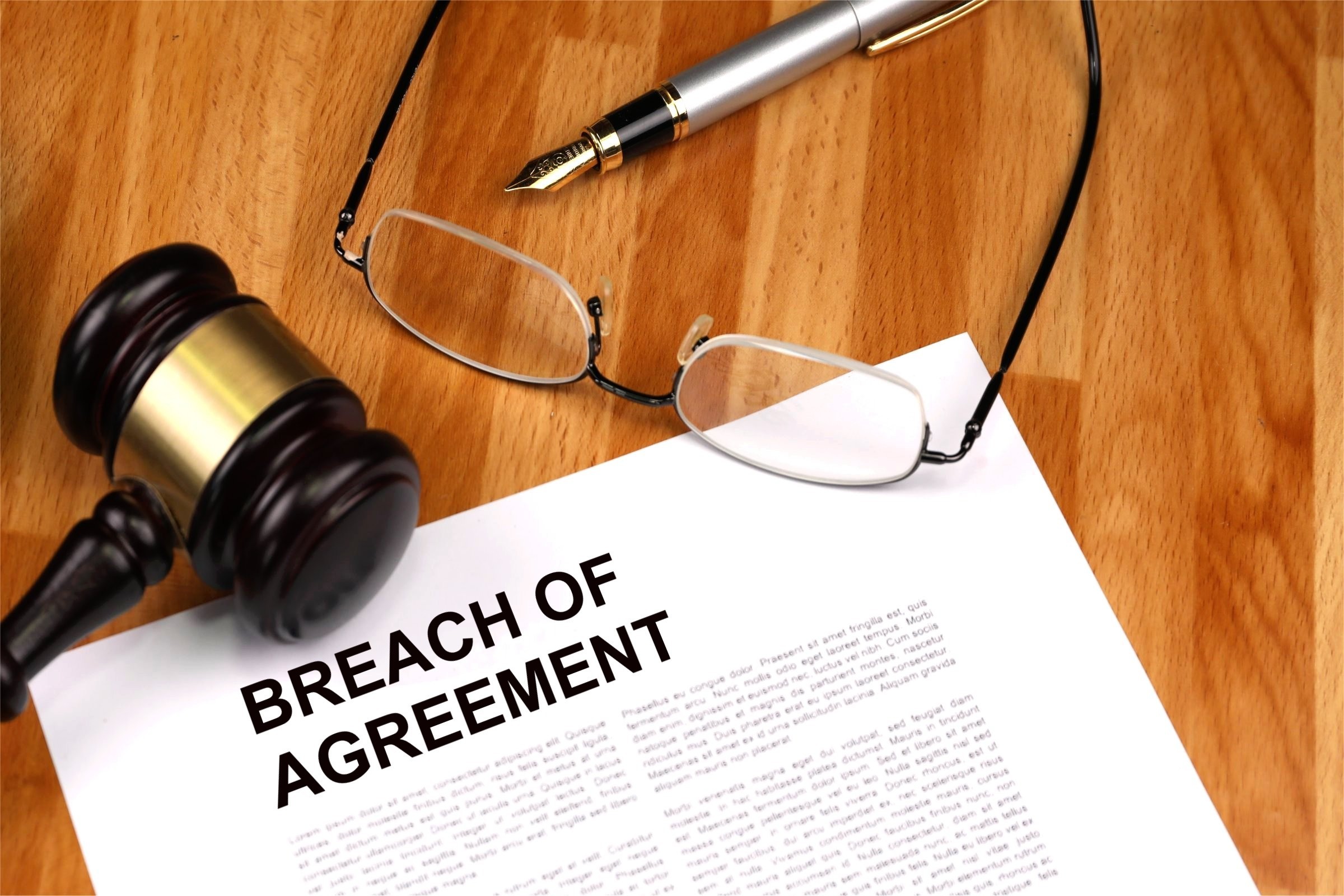
Breach Of Agreement
You make a deal. Maybe you hire a painter to redo your kitchen. You sign a paper or just shake hands. Everything looks fine until paint gets on the hardwood floors instead of the cabinets. That moment right there is a breach of agreement. It just means someone didn't follow through on a promise. People use fancy legal terms to describe it, but the idea is pretty straightforward. A promise was made. It got ignored or botched. Now you're left holding the bag.
Think of it like a recipe. You follow instructions exactly and you get the cake you wanted. Someone skips a step or uses salt instead of sugar and suddenly you have a disaster. The deal still exists on paper or in your head. The execution just fell apart. In the real world, these breakups happen constantly. A contractor shows up three weeks late. A landlord forgets to fix the heater in January. A freelancer sends a draft that looks nothing like what you asked for. None of this requires a courtroom to understand. You just recognize that the other side didn't hold up their end.
Not every missed step becomes a legal fight though. Sometimes it's just a misunderstanding or a rough patch. You call up your neighbor and explain the fence line. You ask the plumber to come back and tighten a loose valve. Most broken deals get fixed with a phone call or a sincere apology. The moment things turn sour is when money, time, or trust runs out. Then you need to decide what to do next.
If the problem keeps growing, you usually have three paths. You can walk away and hire someone else. You can ask for your money back. You can demand they finish the job properly. People call them remedies but they're just practical solutions to a practical problem. Courts look at whether the broken promise actually hurt you. They want to know if you lost cash or if your life got turned upside down. You can't sue someone just because they annoyed you. There has to be real damage attached to the broken word.
Protecting yourself starts before you ever shake hands. Write things down. Keep receipts. Set clear deadlines and expectations. A good agreement reads like a map rather than a guessing game. When both sides know exactly what happens on a Tuesday or what happens in November, surprises disappear. You still might face a broken deal down the line. People get sick. Businesses run out of cash. Traffic delays shipments. You can control how you prepare for that moment instead of hoping it never shows up.
At the end of the day, a breach of agreement is just a broken promise with consequences attached. It happens more often than people admit. You don't need a law degree to handle it. You just need to stay calm, check your notes, and pick the next step that protects your time and your wallet. Deals fall apart. Knowing what comes after the collapse saves you from panic and wasted energy.
The authors of this web site are not professional advisors The content on this blog is not intended to be a substitute for professional advice. Always seek the advice of a qualified professional with any questions you may have regarding this topic. Never disregard professional advice or delay in seeking it because of something you have read on this site.