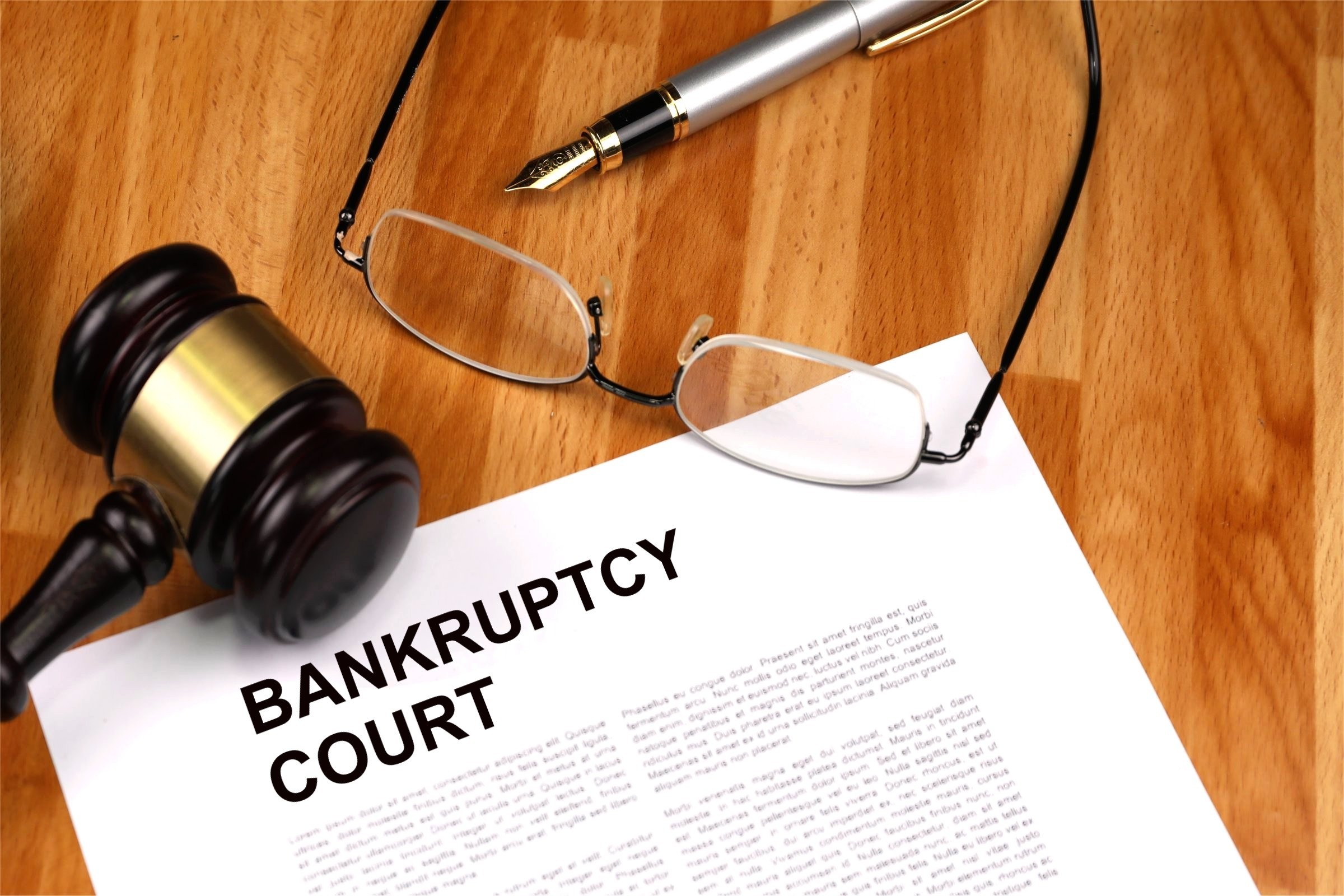
Bankruptcy Court
Imagine you're carrying a backpack full of rocks. Every month you add another stone. Your back aches. The pace slows until you finally stop. Bankruptcy court is where you ask the government to help you drop some of those rocks. It's a federal courtroom that handles debt problems. People and businesses go there when they can't keep up with what they owe.
This isn't a punishment hall. Think of it as a financial reset station. The system exists because life sometimes throws a wrench in your plans. A medical bill shows up. A car breaks down. The court steps in to sort through the mess with clear rules. You file a petition and list every dollar you owe and every dollar you own. A trustee reviews the paperwork to make sure you're being honest.
Most people hear bankruptcy and picture a scary courtroom scene with angry lenders. That rarely happens. Your job is mostly paperwork and a few meetings. The judge handles the legal side while the trustee manages the details. Creditors get a chance to speak up but they can't storm into your home or call your phone anymore. That's called an automatic stay. It pauses all collection calls, lawsuits, and wage garnishments.
Two paths show up most often. Chapter 7 wipes out most unsecured debts like credit cards and medical bills. You might hand over a few assets to the trustee so they can sell them and pay people back. Chapter 13 keeps your stuff but asks you to pay back a portion of what you owe over three to five years. The court approves the plan and you make one monthly payment to the trustee. They split that money up for everyone you owe.
Getting through bankruptcy takes patience. You'll sit through a meeting where the trustee asks straightforward questions about your finances. You'll also complete a financial counseling class. Once the judge signs off, you get a discharge order. That paper tells creditors they can never collect those specific debts again. It feels like taking a deep breath after holding it for years.
The process isn't cheap and it stays on your credit report for years. Think twice before using it as a first resort. Bankruptcy works best when other options run out or when debt truly crushes your daily life. The court exists to give ordinary people a fair shot at starting over. It's a safety net made of paperwork and patience. You just need to follow the steps.
The authors of this web site are not professional advisors The content on this blog is not intended to be a substitute for professional advice. Always seek the advice of a qualified professional with any questions you may have regarding this topic. Never disregard professional advice or delay in seeking it because of something you have read on this site.