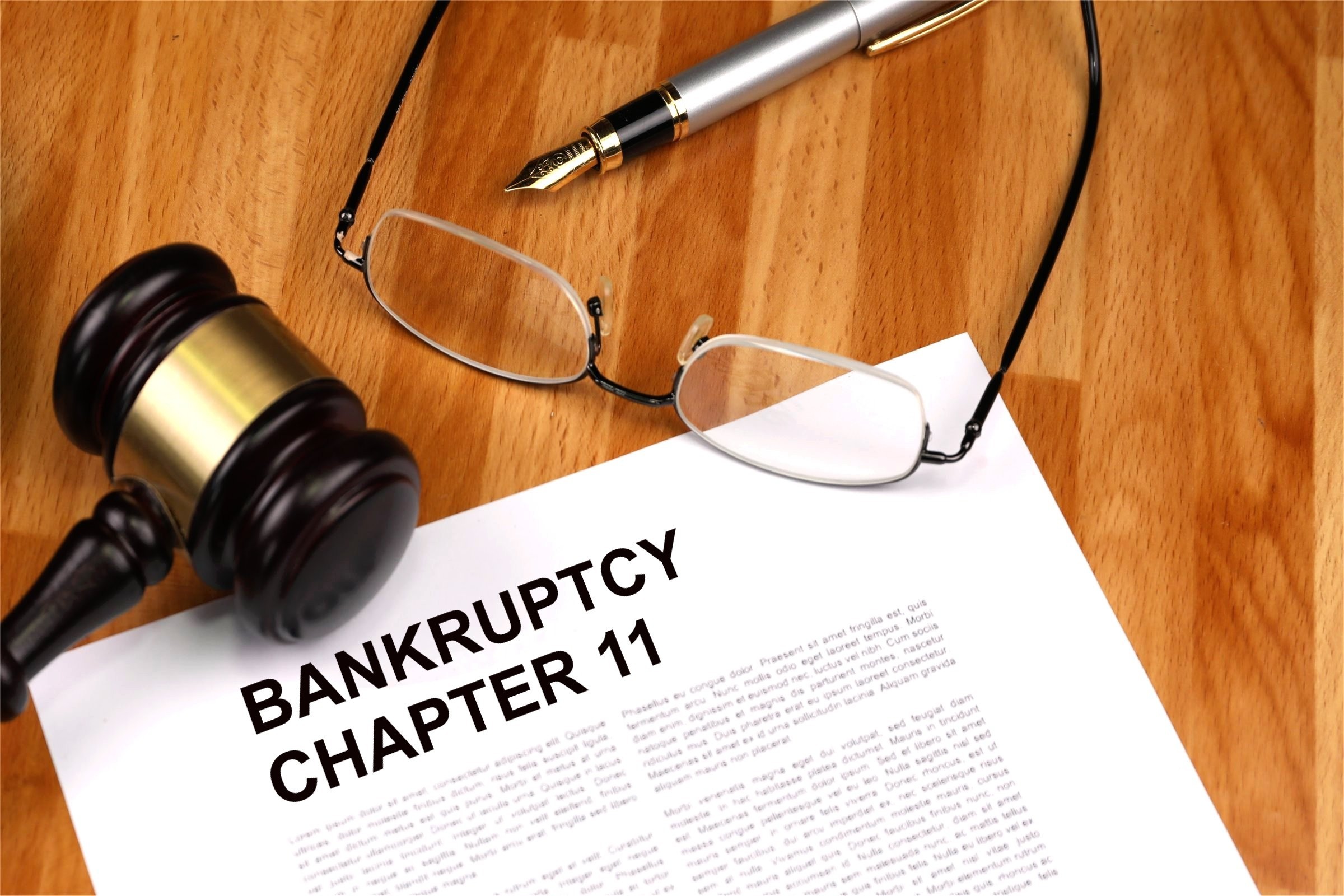
Bankruptcy Chapter 11
When a business starts drowning in debt, most folks assume the doors will close for good. That is where Chapter 11 steps in. It isn't a death sentence. It's a legal pause button. The company keeps running while it figures out how to pay what it owes without going broke overnight.
Think of it like a car that needs new tires but still has miles left on the highway. You don't abandon the vehicle. You pull over, fix the wheels, and keep driving. Chapter 11 works exactly that way for struggling businesses. A court oversees the process. The company files a reorganization plan that spells out how it will pay back creditors over time. Sometimes that means selling off unused equipment. Other times it involves renegotiating rent or restructuring loans. The goal is simple. Keep the lights on. Keep workers paid. Get back to making money instead of chasing past debts.
You might wonder what changes during this process. The owner usually stays in charge. They don't hand over the keys to a stranger. Courts call this debtor in possession, but you can just picture a business owner at their desk, writing out a realistic budget. Creditors get a seat at the table. They vote on the plan. If enough of them say yes, the court approves it. If the plan fails, the business can switch to Chapter 7, which means selling everything to pay off debts and closing for good. That part rarely happens unless leadership stops trying to make things work.
People hear bankruptcy and immediately picture empty storefronts and layoff notices. That image belongs to Chapter 7. Chapter 11 looks different. Retail chains use it to renegotiate leases when rent costs spike. Family run restaurants file it when supply prices suddenly jump. Even athletes and entertainers sometimes use it to manage massive debts without losing their homes or cars. The process demands discipline. You must show your books to the court. You must follow a strict timeline. You can't hide assets or make surprise purchases. Transparency is the only way through.
Chapter 11 isn't a magic wand. It doesn't erase debt. It reshapes it into something manageable. Businesses that survive this process usually emerge leaner and more focused. They cut what slows them down. They double down on what actually brings in revenue. The road ahead requires patience and steady work, but the alternative is often permanent closure. Financial trouble doesn't have to mean the end of the story. Sometimes it just means rewriting the next chapter.
The authors of this web site are not professional advisors The content on this blog is not intended to be a substitute for professional advice. Always seek the advice of a qualified professional with any questions you may have regarding this topic. Never disregard professional advice or delay in seeking it because of something you have read on this site.