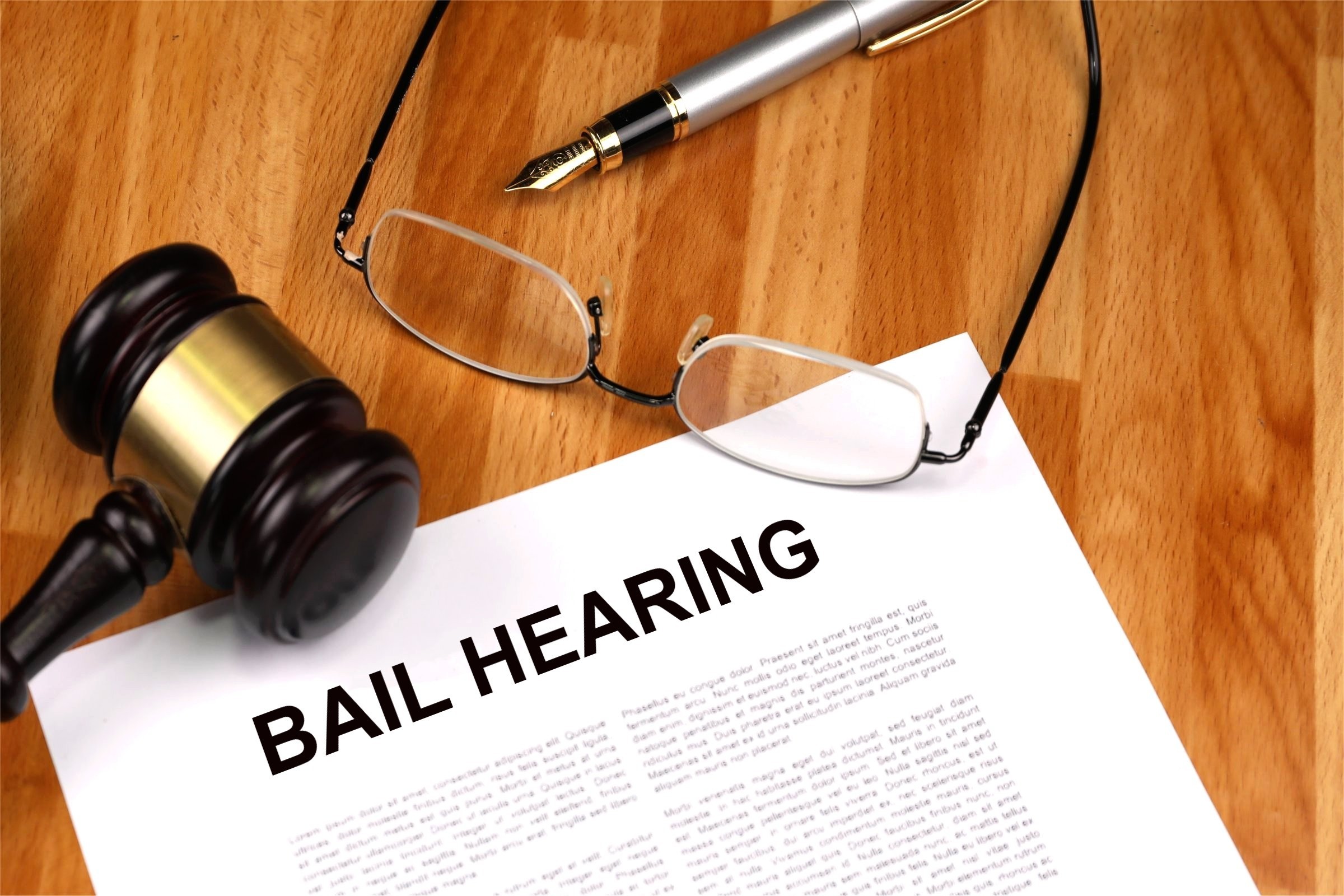
Bail Hearing
When someone gets arrested and ends up in a county jail, the next morning usually brings a quick court appearance. Folks call this a bail hearing. It's just a short meeting between a judge and the person who was taken into custody. The judge needs to figure out one simple question. Will this person show up for future court dates if we let them go right now?
Think of bail like a security deposit for your freedom. You put down a certain amount of money or promise to follow specific rules. If you keep your word and attend every scheduled hearing, the court gives you back what you paid. If you skip town or ignore the dates, the court keeps the money and sends officers to find you. The whole system exists to make sure trials actually happen instead of turning into ghost stories.
The judge doesn't guess this number out of thin air. They look at the police report and ask a few straightforward questions. How long have you lived in this area? Do you have a steady job or a family that depends on you? What exactly did the charges say you did? Serious crimes carry higher prices. Repeat offenders face tougher terms. Someone who just broke a window during a protest walks out with a signature on a piece of paper. A person accused of armed robbery faces thousands of dollars and strict rules about where they can go.
You might think only rich people get out quickly. That used to be true more often than not. The law changed over the years to focus on risk instead of bank accounts. Judges now weigh whether someone is dangerous to the neighborhood and whether they have anywhere to run. A job offer waiting at home works in your favor. A shaky phone record works against you. Sometimes the judge says you don't need to pay anything at all. They just want you back on a Tuesday morning. Other times the amount stays so high that staying behind bars becomes the only option until trial.
The process moves fast because jails are crowded and courts have packed schedules. You usually get thirty minutes before a bench. Your lawyer will stand up and argue for a lower price or explain why money makes no sense for your situation. The prosecutor pushes back and lists reasons to keep you locked up. The judge listens to both sides, checks the facts, and drops a number on the record. That number becomes your ticket out of custody.
Getting bail right does not mean you are innocent. It's just telling you you can live at home and prepare your defense while waiting for a trial that takes months or years. The system balances freedom with public safety. Sometimes it works smoothly. Sometimes it feels uneven. The hearing itself is just a checkpoint on the road ahead. You show up, you answer the questions, and you wait for the next step in a process that moves much slower than real life. Getting out is only half the battle. You still have to track down lawyers, remember every court date, and keep your life running normally while everything hangs in the balance. It's a weird kind of limbo. The system uses it to keep people free until a jury decides what really happened.
The authors of this web site are not professional advisors The content on this blog is not intended to be a substitute for professional advice. Always seek the advice of a qualified professional with any questions you may have regarding this topic. Never disregard professional advice or delay in seeking it because of something you have read on this site.