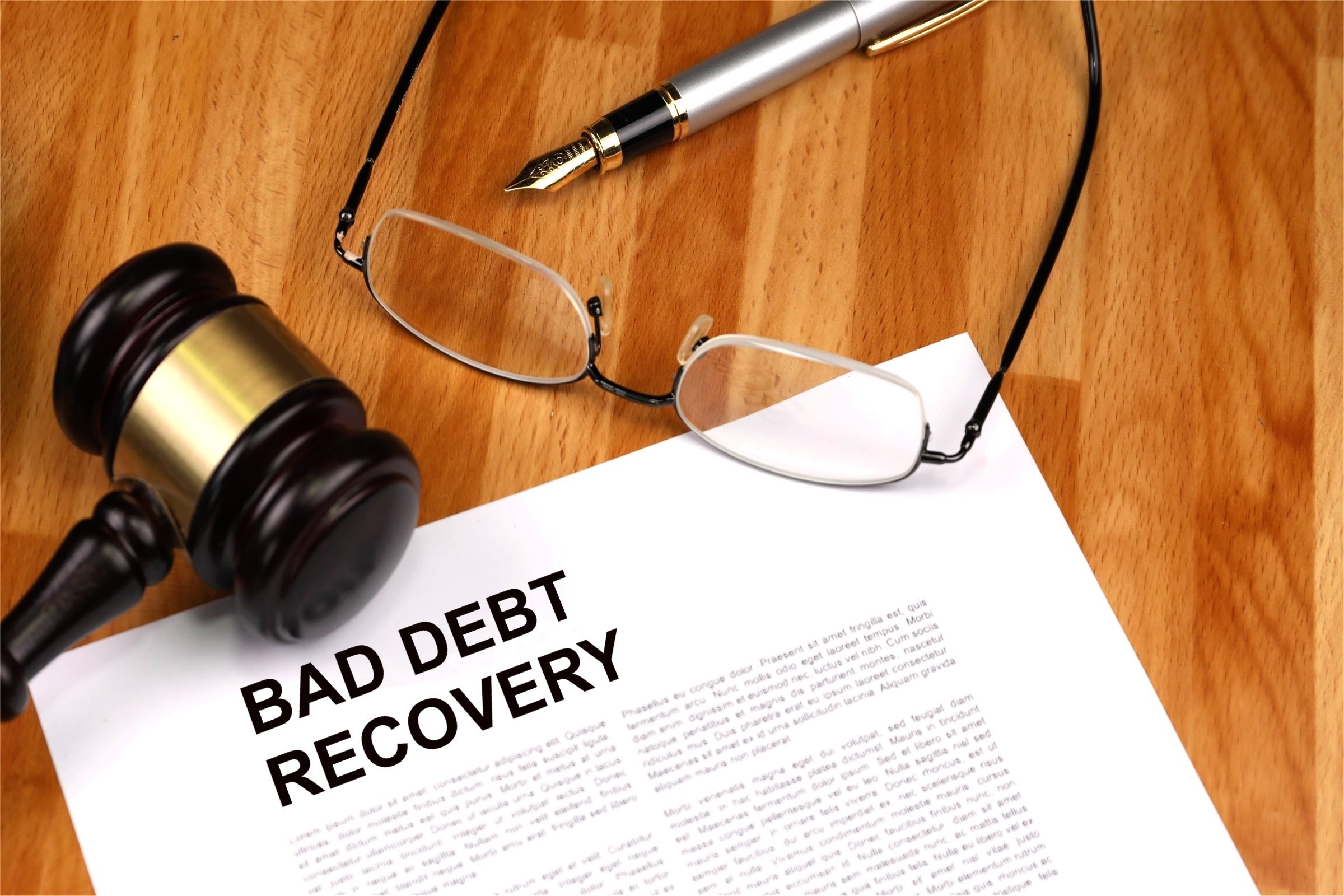
Bad Debt Recovery
You lend someone money. Or your business sends an invoice. Months pass. The phone goes unanswered. The check never arrives. At some point you realize that money is probably gone. That is bad debt. Recovery is just the process of trying to get it back.
Think of it like trying to return a defective appliance to a store that has moved across town. You still have the receipt. You still want your money. You just have to navigate the maze to make it happen. Bad debt recovery works the exact same way. Companies start with simple reminders. An email pops up. A phone call follows. Most people pay when they see a gentle nudge. They forgot. They had a tight week. Life gets messy.
When the polite requests fall flat things shift. The creditor starts looking at the debt as lost money that might never come back. That is when recovery steps in. Some businesses handle it themselves. They assign a person to call and email until something clicks. Others hand it to collection agencies. Those are outside firms that specialize in chasing down unpaid bills. They also know how to read a person's financial situation and figure out what kind of deal actually works.
Negotiation is where the real work happens. You'll rarely get one hundred cents on the dollar back. The goal is usually to get eighty or sixty cents and cut your losses. A debtor might offer a lump sum because they're desperate to avoid further headaches. You can take that deal or counter with a payment plan. Spreading it out over three months often works better than demanding everything at once. Cash flow saves businesses more often than pride does.
There are rules you need to follow though. The Fair Debt Collection Practices Act keeps things from getting out of hand. Collectors cannot call you at midnight. They cannot lie about legal action. They cannot harass your family. These lines exist for a reason. Breaking them turns a simple money dispute into a lawsuit that drains your time and wallet faster than the original debt ever could.
Sometimes the debt dies a quiet death. The person moves. The business closes. The statute of limitations runs out. That is when you write it off on your taxes and move on. Writing it off sounds dramatic but it's just accounting for reality. You record the loss. You stop chasing ghosts. You focus on tightening your own credit terms so the next customer pays on time.
Bad debt recovery is not about winning a battle. It's about cutting a loss cleanly and protecting what you have left. It takes patience. It takes firm but fair communication. It takes knowing when to walk away. Most businesses lose ten to fifteen percent of their receivables at some point. The ones that survive are the ones who handle it quickly and professionally without burning bridges they might need later. You'll deal with it eventually. Handle it calmly and you'll come out ahead.
The authors of this web site are not professional advisors The content on this blog is not intended to be a substitute for professional advice. Always seek the advice of a qualified professional with any questions you may have regarding this topic. Never disregard professional advice or delay in seeking it because of something you have read on this site.