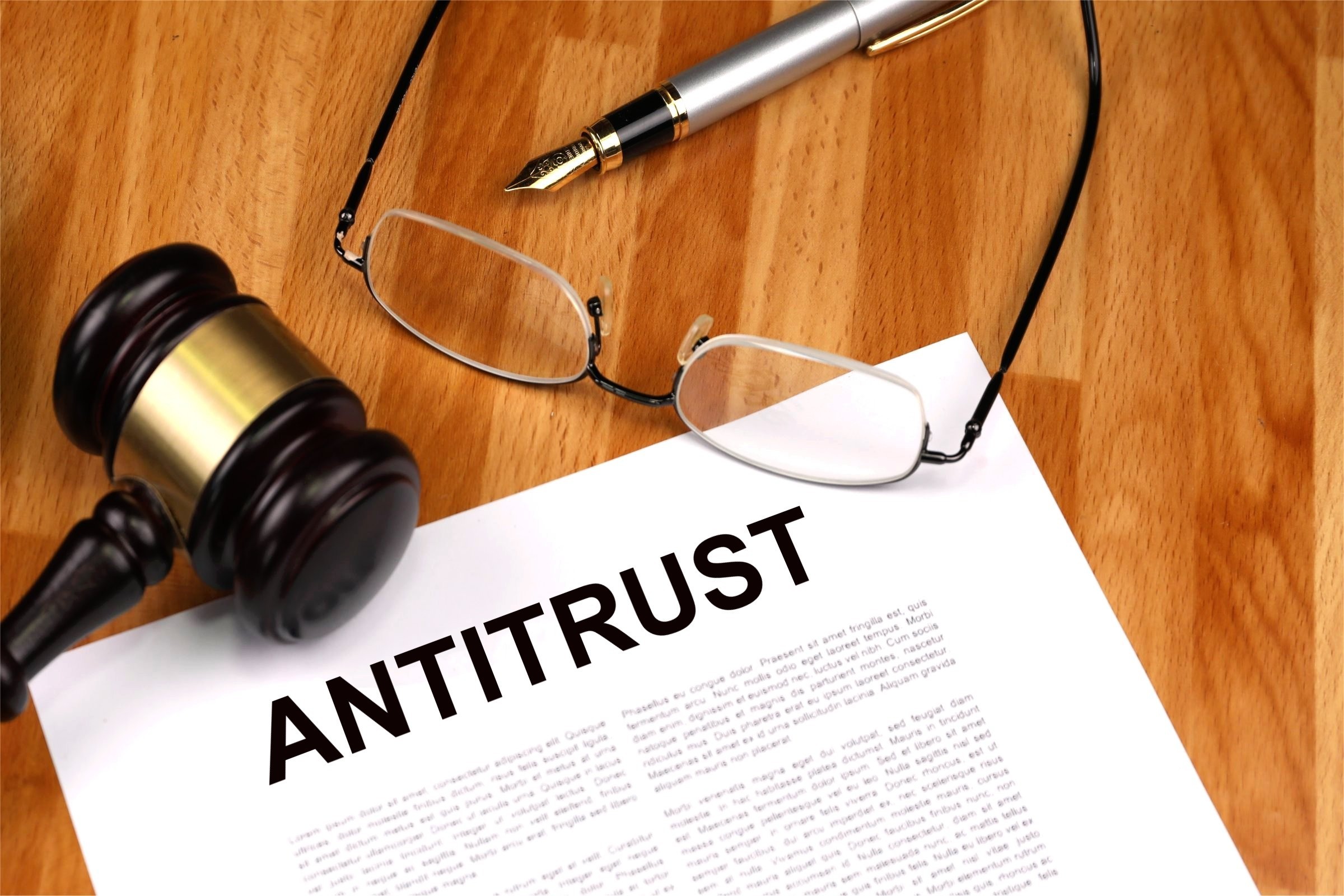
Antitrust
Imagine walking into a town where every grocery store sells the exact same cereal at the exact same price. You have no other options. The owner decided that a while back. That is the kind of situation antitrust laws exist to prevent.
Antitrust simply means keeping business competition alive. It stops one company from buying out rivals or writing rules that lock everyone else out. Think of it like a referee in a pickup game. Without someone blowing the whistle, the biggest player would just hoard the ball and ignore everyone else. The government steps in to make sure the game stays fair.
These rules started over a hundred years ago. Back then, a few railroad tycoons and oil barons controlled entire industries. They dictated prices. They crushed anyone who tried to compete. Regular people and small business owners had no say. Congress passed the Sherman Act in eighteen ninety to break that grip. The goal was never to punish success. The goal was to protect choice.
Today the rules apply to everything from grocery chains to smartphone apps. When a tech giant buys a smaller rival just to shut it down, regulators take notice. When two massive companies try to merge and leave you with only one option for internet service, they have to prove the deal won't hurt consumers. You don't need a law degree to understand the basic question behind antitrust. Will this move give one company too much power over your wallet?
The debate gets loud when big companies argue that size brings efficiency. They claim their massive warehouses and cheap shipping actually save you money. Sometimes they're right. But competition forces companies to keep improving. If you only have two choices for streaming shows, one of them will eventually raise the price. If you only have one provider for home internet, they stop fixing the slow connections. Antitrust law keeps that quiet arrogance in check.
You see the results every time a new app arrives on your phone or a rival airline drops its fares to match a competitor. It works best when people pay attention and vote with their dollars. Regulators can't fix everything behind closed doors. The real power stays with buyers who refuse to accept a market that offers less for more.
Next time you check prices across three different websites before buying a pair of shoes, remember you're doing exactly what antitrust was built to encourage. You're keeping the playing field even. Markets thrive on friction. A little rivalry keeps costs down and quality up. The system breaks the moment one voice gets too loud. That's why the rules exist. They simply remind powerful companies that customers always get the final say.
The authors of this web site are not professional advisors The content on this blog is not intended to be a substitute for professional advice. Always seek the advice of a qualified professional with any questions you may have regarding this topic. Never disregard professional advice or delay in seeking it because of something you have read on this site.