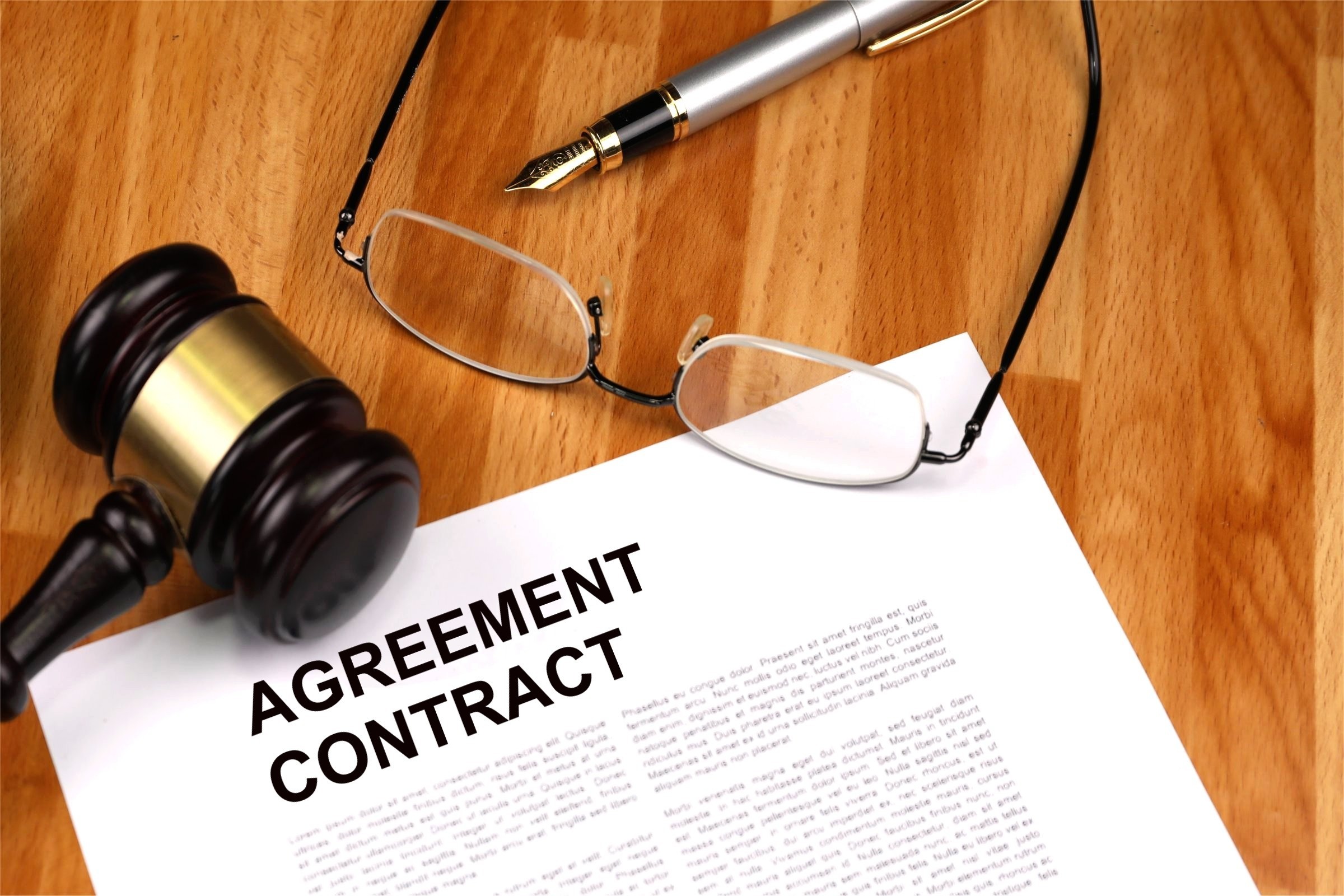
Agreement Contract
You are fixing your kitchen sink. The plumber shows up with a clipboard and asks you to sign something before he touches the pipes. That paper is an agreement contract. It sounds intimidating but it really just means two people made a promise and wrote it down so nobody forgets what they said.
Think of it like a recipe for a shared project. You tell the contractor what you want. He tells you how much it costs and when he will finish. You both agree on the details. Then you put those details on paper. The moment you sign, the promise stops being just talk. It becomes something a judge can enforce if things fall apart.
Every real contract needs a few basic ingredients. There has to be an offer from one side and a clear yes from the other. Money or services usually trade hands. Both people have to actually want to do this without anyone pointing a weapon or lying about their identity. The work itself cannot break the law. If any of that is missing, you are just holding a useless scrap.
People get nervous about contracts because they hear horror stories about hidden fees and tiny print. Most everyday agreements are straightforward. You rent an apartment. The lease spells out the monthly cost, who pays for water, and what happens if you move out early. You hire a painter. The work order lists the rooms, the paint colors, and the payment schedule. You buy a used car from a neighbor. The paper says how much you paid and that the car comes with no warranty. None of these require a law degree. They just need plain words that match what you actually discussed.
The biggest mistake people make is signing without reading. Your eyes skip to the bottom line. You see a number and assume the rest matches your conversation. That assumption costs money. Contracts change easily when you let them. A vague phrase like reasonable time can mean three days or three weeks depending on who reads it last. Always write down the details before you sign. Ask questions about anything that feels fuzzy. If someone tells you to hurry, walk away for an hour and think it over. Good deals survive the waiting game.
You do not need a lawyer for every single agreement. Small town deals, garage sales, and simple freelance gigs work fine with a typed note signed by both sides. Keep a copy in your phone and one in a drawer. When the other person shows up late or skips a step, you can point to the paper and say this is what we agreed on. The document does exactly that. It locks in the understanding so memory fades and excuses disappear.
Treat contracts like a seat belt. You hope you never need it but you feel safer wearing it anyway. Read the words. Ask for clarity. Sign when you know exactly what you are getting into. That is how you keep your time and your money out of other people hands.
The authors of this web site are not professional advisors The content on this blog is not intended to be a substitute for professional advice. Always seek the advice of a qualified professional with any questions you may have regarding this topic. Never disregard professional advice or delay in seeking it because of something you have read on this site.