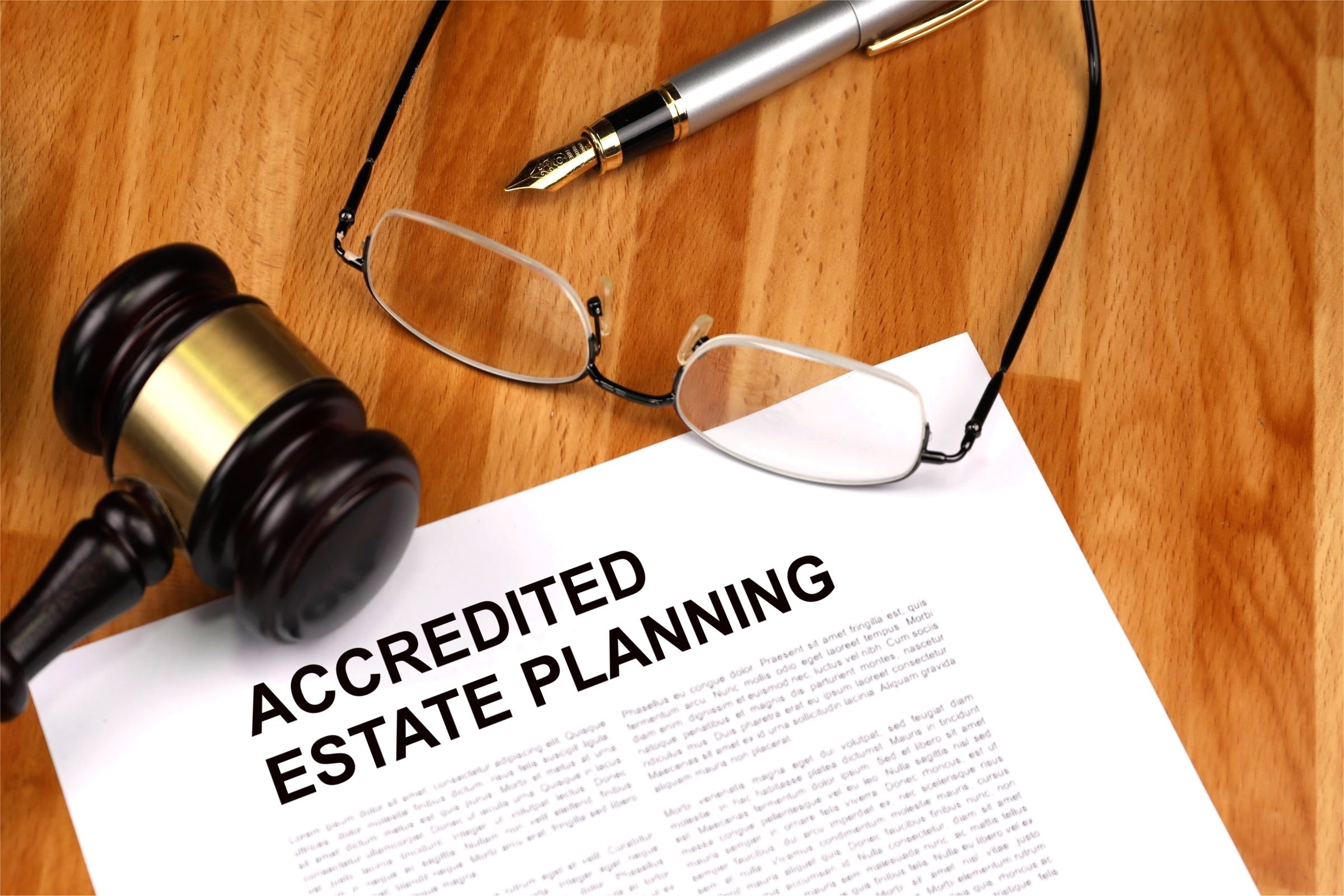
Accredited Estate Planning
You've probably seen the phrase accredited estate planning pop up on a website or in a magazine ad. It sounds official. It's like there's a special seal you can hang on a wall to prove someone knows what they're doing. That's exactly why it catches your eye. The truth is that no such official accreditation exists for estate planning lawyers in the United States.
Estate planning is just a practical way of saying you're writing down how you want your life to wrap up. You name who gets your house. You pick who raises your kids if something happens to you. You decide what happens to your money. You set up medical instructions so doctors know what to do when you can't speak for yourself. That's it. It keeps your family from guessing or fighting in the dark.
So where does the word accredited come from? It's usually marketing fluff. Some firms use it to sound more trustworthy than the next person down the street. Real estate planning attorneys are licensed by their state bars. That's the only legal badge that matters. You can also look for board certification in trust and estate law. That's a separate exam run by independent legal boards. It takes years to earn and proves someone actually studied this niche. You might also see titles like certified estate planner or member of a professional society. Those are nice extras but they don't carry the same weight as state licensing or board certification.
Pick your professional carefully. Ask how many estates they've handled that look like yours. A lawyer who only writes simple wills for young professionals might struggle with a complex family business. Ask if they work with accountants. Good estate planning never lives in a vacuum. It needs to match your tax situation, your investments, and your actual goals.
Watch out for anyone who promises to do everything online. Templates work fine for basic forms but they break down when real life gets messy. Real people have real complications. A doctor might need different instructions than a teacher. Someone with property in two states needs a different approach. The right professional will sit down with you, ask hard questions, and build a plan that actually fits your life.
You don't need a magic stamp to protect what you've built. You just need a licensed attorney who specializes in this work, asks the right questions, and writes documents that hold up. Check your state bar website. Read client reviews with a grain of salt. Ask for a clear fee structure. Most estate planning happens in a few meetings. It costs less than you might fear.
Your family will thank you for the paperwork later. The rest is just finding someone who actually knows how to draft it.
The authors of this web site are not professional advisors The content on this blog is not intended to be a substitute for professional advice. Always seek the advice of a qualified professional with any questions you may have regarding this topic. Never disregard professional advice or delay in seeking it because of something you have read on this site.